What Is a Latte? A Complete Guide to Your Favorite Coffee
Walk into any coffee shop, and you'll see "latte" on the menu. It's one of the most popular coffee drinks in the world, beloved for its creamy texture and smooth, mellow flavor. But what is a latte coffee, exactly? And how can you recreate this café favorite in your own kitchen?
This guide will answer all your questions about the classic latte. We'll cover everything from its origins and core components to how it stacks up against its close cousin, the cappuccino. You'll learn exactly how to make a latte at home, with or without fancy equipment. By the end, you'll have the confidence and knowledge to brew the perfect latte every time.
What Is a Latte?
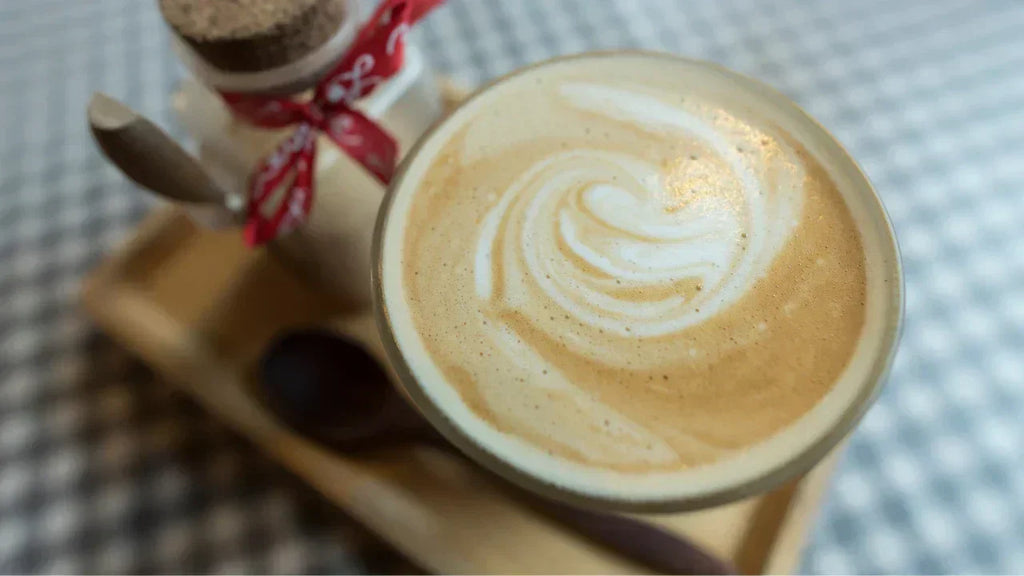
So, what is a latte? At its core, a latte is a coffee drink made with espresso and steamed milk. The name "latte" comes from the Italian term caffè latte, which translates to "coffee and milk." It's a simple name for a beautifully balanced beverage.
A traditional latte is constructed with three main layers:
- A single or double shot of espresso.
- A generous amount of steamed milk.
- A thin layer of milk foam (or microfoam) on top.
The result is a smooth, creamy, and coffee-forward drink that is less intense than a straight espresso shot. The high ratio of milk to coffee gives the latte its signature mellow taste and velvety texture, making it an approachable choice for both new coffee drinkers and seasoned enthusiasts.
The History and Origin of the Latte

While the concept of mixing coffee and milk has existed in Europe for centuries, the latte as we know it today is a more recent invention. In Italy, caffè latte was traditionally a breakfast drink made at home with drip coffee and hot milk. It wasn't something you'd typically order at an Italian espresso bar.
The modern latte, with its espresso base and steamed milk, gained popularity in the United States, particularly in Seattle, during the 1980s. As the American specialty coffee scene blossomed, baristas began experimenting with espresso drinks to cater to a wider audience. The latte offered a milder alternative to the more intense espresso and cappuccino, quickly becoming a staple.
This Americanized version, often served in a large cup or mug, became a global phenomenon. Today, latte culture is synonymous with coffee shops worldwide, known for its creative variations and the intricate "latte art" that baristas use to top the drinks.
The Main Components of a Latte
A perfect latte is a testament to the idea that simple ingredients can create something truly special. Let's break down the three key elements.
Espresso
The foundation of any great latte is a quality shot of espresso. Espresso is coffee brewed by forcing a small amount of nearly boiling water under pressure through finely-ground coffee beans. This process extracts a concentrated shot with a rich flavor and a creamy top layer called crema. A standard latte uses one shot of espresso, but many coffee lovers prefer a double shot for a stronger coffee flavor.
Steamed Milk
Steamed milk is the heart of a latte, making up the bulk of the drink. Milk is heated using a steam wand, which simultaneously warms it and injects air to create a smooth, velvety texture. The goal is to create microfoam—tiny, uniform bubbles that integrate seamlessly with the milk. This process not only changes the texture but also enhances the milk's natural sweetness.
Milk Foam
The final touch is a thin layer of milk foam on top. Unlike a cappuccino, which has a thick, airy cap of foam, a latte's foam layer is typically only about a quarter-inch thick. This light layer adds to the drink's creamy mouthfeel without creating a sharp separation between the liquid and the foam. It also serves as the canvas for latte art.
What Is the Difference Between a Latte and a Cappuccino?
Many people wonder, what is the difference between a latte and a cappuccino? They share the same ingredients—espresso, steamed milk, and foam—but their construction and taste are distinctly different. The key lies in the ratios.
A cappuccino has an equal distribution of espresso, steamed milk, and foam (roughly 1/3 each). This creates a layered drink with a thick, airy foam cap that sits on top of the milk and espresso. The flavor is more espresso-forward, and the texture is lighter and foamier.
A latte, on the other hand, contains much more steamed milk and just a thin layer of foam. The typical ratio is about one part espresso to three or more parts steamed milk. This results in a heavier, creamier drink where the coffee flavor is more subdued and blended with the milk.
Here's a quick comparison:
|
Feature |
Latte |
Cappuccino |
|---|---|---|
|
Espresso |
1-2 shots |
1-2 shots |
|
Steamed Milk |
A lot (6-8 oz) |
A little (2 oz) |
|
Foam |
Thin layer (≈0.25 in) |
Thick layer (≈1 in) |
|
Taste |
Creamy, milky, mellow coffee |
Strong, balanced coffee, airy |
|
Texture |
Smooth and velvety |
Light and frothy |
Ultimately, the choice between a latte and a cappuccino comes down to personal preference. If you enjoy a milkier, creamier coffee, a latte is for you. If you prefer a stronger coffee flavor with a foamy texture, a cappuccino is the way to go.
Popular Latte Variations
The simple formula of a latte makes it a perfect base for creativity. Here are a few popular variations you might encounter or want to try making at home.
- Iced Latte: A refreshing choice for warm weather, an iced latte is made by pouring espresso and cold milk over ice. The milk is not steamed, resulting in a clean, cool drink.
- Flavored Lattes: Syrups and sauces can be added to create endless flavor combinations. Popular choices include vanilla, caramel, hazelnut, and mocha (chocolate). Seasonal flavors like pumpkin spice in the fall or peppermint in the winter are also huge hits.
- Plant-Based Milk Lattes: For those who are dairy-free or prefer the taste, lattes can be made with a variety of plant-based milks. Oat milk is a favorite among baristas for its creamy texture and ability to froth well. Almond, soy, and coconut milk are also common options, each lending its own unique flavor to the drink.
How to Make a Latte at Home
Ready to become your own barista? Here's how to make a latte at home, both with and without an espresso machine.

Tools You'll Need
- Espresso Machine (Optional): The easiest way to get true espresso.
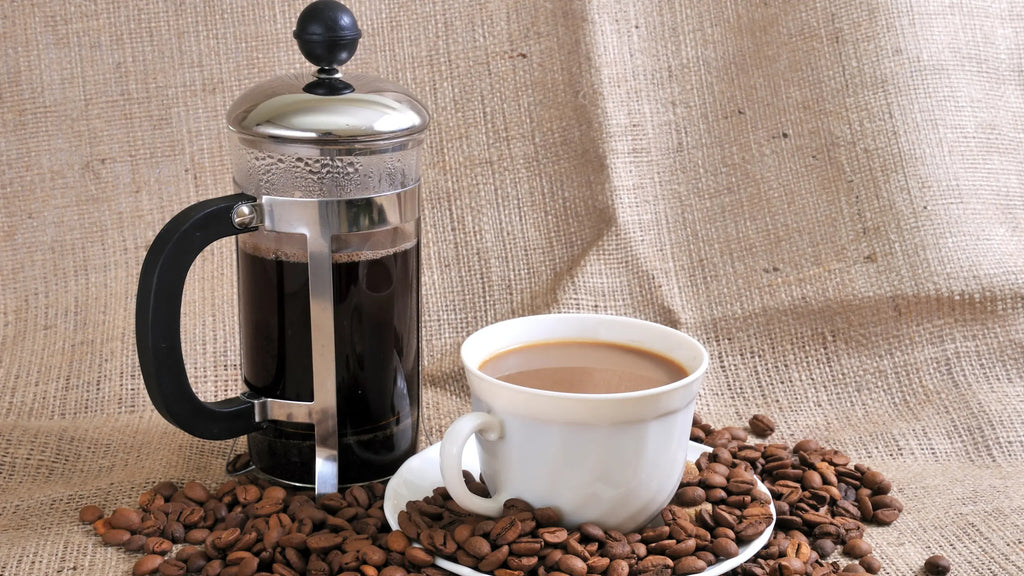
- Alternative Coffee Brewer: An AeroPress, Moka pot, or even a French press can make strong, espresso-like coffee.
- Milk Frother: A steam wand on an espresso machine is ideal. Alternatively, you can use a handheld frother, a French press, or even just a jar with a lid.
- Mug: A standard 8-12 oz mug is perfect.
Step-by-Step Method (With an Espresso Machine)
- Brew Your Espresso: Pull one or two shots of espresso directly into your mug.
- Steam Your Milk: Pour cold milk into a frothing pitcher. Insert the steam wand just below the surface of the milk and turn it on. Keep the tip near the surface for a few seconds to introduce air, then submerge it deeper to heat the milk and create a swirling vortex. Aim for a temperature of around 140-150°F (60-65°C). The milk should have a glossy, "wet paint" texture.
- Pour and Serve: Gently tap the pitcher on the counter and swirl it to incorporate the foam. Tilt your mug and pour the steamed milk into the center of the espresso. As the mug fills, straighten it and pour faster to create a small circle of foam on top. Enjoy immediately!
Step-by-Step Method (Without an Espresso Machine)
- Make Strong Coffee: Brew a small amount of very concentrated coffee using a Moka pot, AeroPress, or French press. Use a fine grind and less water than you normally would. Pour 1-2 oz into your mug.
- Heat and Froth Your Milk:
-
- Handheld Frother: Heat milk in a saucepan or microwave until hot (but not boiling). Use a handheld frother to whisk the milk until it's foamy.
- French Press: Heat milk and pour it into your French press. Plunge the filter up and down rapidly until the milk doubles in volume and becomes frothy.
- Jar with a Lid: Pour warm milk into a jar, seal the lid tightly, and shake vigorously for about 30-60 seconds until foamy.
- Combine and Enjoy: Pour the frothed milk over your strong coffee, holding back the foam with a spoon at first, then letting it slide on top.
Latte Nutrition and Caffeine Content
The nutritional profile of a latte depends largely on the type and amount of milk and any added sweeteners. A standard 12 oz latte made with whole milk and no sugar contains roughly 180 calories. Using skim milk will reduce the calorie count, while adding flavored syrups will increase it.
A latte made with a single shot of espresso contains approximately 60-75 mg of caffeine. A double-shot latte will have around 120-150 mg. This is comparable to a standard 8 oz cup of drip coffee.
Tips for the Perfect Latte
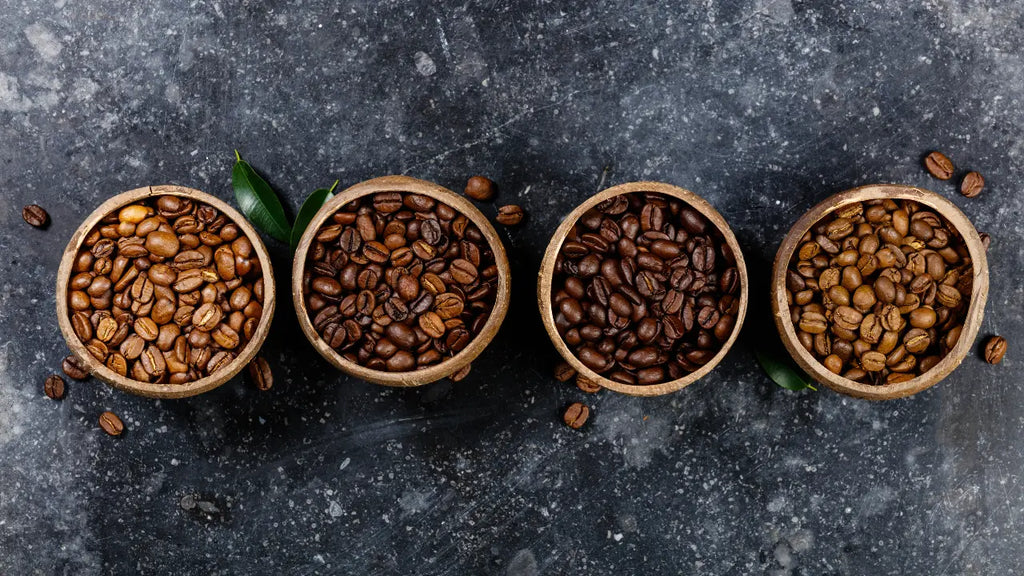
- Use Fresh Beans: The quality of your coffee beans makes a huge difference. Use freshly roasted and freshly ground beans for the best flavor.
- Choose the Right Milk: Whole milk froths the best due to its fat content, creating a rich, creamy foam. For plant-based options, "barista edition" milks are specifically formulated to froth well.
- Don't Overheat Your Milk: Overheating milk (past 160°F or 70°C) will scorch it, destroying its natural sweetness and giving it a burnt taste.
- Practice Your Pour: Achieving a smooth, integrated latte takes practice. Don't be discouraged if your first few attempts aren't perfect!
Your New Favorite Morning Ritual
The latte is more than just a coffee drink—it’s a soothing ritual and a blank canvas for creativity. Now that you know exactly what a latte is and how to make one, you can bring the café experience right into your home. Experiment with different beans, milks, and flavor combinations to discover your ideal blend, or get inspired by exploring options like the Best Flavored Coffee for a nature-inspired twist.
Related post
14
Nov

12
Nov
RECENT POSTS